
The Problem
Australians have a right to know how public money is used, but information on animal use in research and teaching is inconsistent and mostly inaccessible—making genuine accountability impossible.
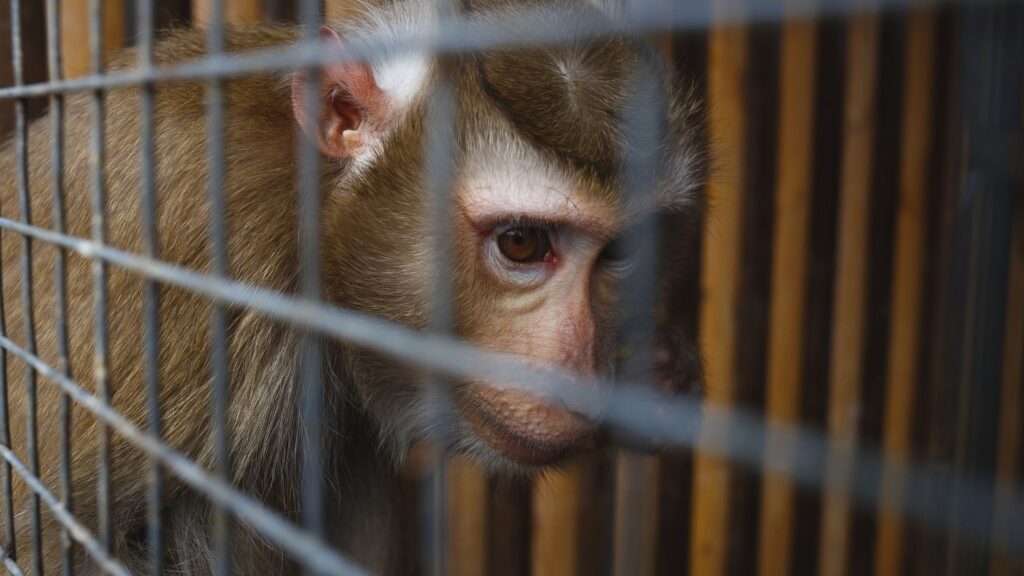
Animal use in science takes place largely behind closed doors, with limited public reporting, no national system for collating statistics, and frequent refusals to release even basic information. Without transparency, the public cannot evaluate how many animals are used, how they are used, or whether meaningful progress is being made toward reducing their use.
What's Not Working
In Australia, requests for information relating to animal research are usually refused. Whether it is animal use statistics, or just minutes from Animal Ethics Committee meetings, information is extremely difficult to obtain. Across government agencies, research institutions, and funding bodies, there is a consistent lack of transparency and cooperation—despite using taxpayer money.
Australia also lacks a national system for collecting and reporting animal use statistics, relying instead on state and territory-based voluntary reporting. This makes it difficult to track trends in animal use, assess progress or evaluate the responsible use of taxpayer funding.
Key issues include:
- No national reporting system – preventing a clear picture of animal use across Australia
- Lack of standardisation – eg: differing reporting methods between jurisdictions, inconsistent inclusion of groups of animals (eg: cephalopods and crustaceans), unclear categorisation of research types, and the impact of research on animals being based on assumption rather than observation.
With no accurate data, there is no reliable way to measure change over time. This makes it difficult to implement and assess the 3Rs—Replacement, Reduction and Refinement—or other policies aimed at reducing animal use. This inconsistency significantly limits transparency and accountability.


Why Transparency Matters
Transparency is not just a bureaucratic issue—it is fundamental to ethical oversight, scientific accountability, and public trust.
A lack of openness means:
- The public cannot see how taxpayer funding is used
- Progress in how animals are used is hindered
- Independent scrutiny is limited
- Policy is shaped around unreliable evidence
At the same time, international experience shows that transparency improves research quality, supports better decision-making, and strengthens public confidence. Countries such as the UK, The European Union, Canada, and New Zealand already require more consistent reporting frameworks and greater public access to animal research information—including plain-language summaries and national statistics systems. With such precedents, it is clear that Australia is lagging behind.
What We Need
We are calling on the Australian Government to introduce mandatory national transparency measures for animal research, including:
- A national reporting system for animal use statistics
- Standardised and publicly accessible reporting
- Plain-language disclosure of research involving animals – outlining the purpose, anticipated benefits, number of animals used, predicted harms and application of the 3Rs
- Amendments to the Australian Code to promote transparency – including mandatory publication of external compliance reviews and removal of confidentiality restrictions for lethal dose test reporting
Transparency is the minimum requirement for ethical governance. Without it, neither the public nor policymakers can make informed decisions about the use of animals in science.
✍️ Take Action
Join us in calling for a transparent, accountable system of animal research in Australia. Use our form to send a letter to the government now!
Take action
Use our form below to contact the Minister for Health and Aged Care and demand greater transparency in animal research.
Tip: Adding a short personal line (e.g. “This matters to me because…”) makes your letter more powerful.
"*" indicates required fields
Support for transparency
Public Support
Our latest opinion poll revealed that 64% of Australians think our governments don’t provide enough information about animal experimentation. And that 68% support mandatory national reporting of animal use in research and teaching
Researchers
Many researchers say that reporting improves research quality and public confidence.
There is also a voluntary pledge for organisations committed to transparency known as the Australian Openness Agreement.
And, ANZCCART is leading sector consultation to develop a model for national reporting of animal-use statistics.
Government
In 2020, the Australian Senate passed a motion calling for increased openness in animal research.
In the EU, certain animal research projects even undergo retrospective analysis to assess outcomes and reduce future harms – something AFSA would like to see done locally too.
What AFSA is Doing
- We frequently use Freedom of Information (FOI) requests to uncover information held by government agencies. FOI is powerful, but faces big barriers: high costs, long delays and broad exemptions. Listen to AFSA’s podcast episode on FOI as a tool for animal advocacy
- AFSA is part of an ANZCCART working group exploring options for national reporting. We have proposed a clear and practical model for how this could work.
Learn More
- See where animal research is taking place in Australia using our map.
- View the AFSA archive of animal use statistics collected independently over the years 2004-2018.
- Read case studies we have written on Australian animal research.
- Learn about the types of animal experiments currently being carried out in Australian laboratories via our list of publications.